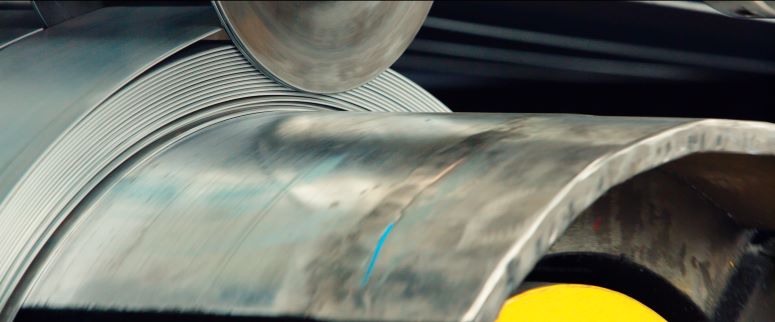
General Fabrication Services encompass a wide range of industrial processes used to create, assemble, and modify metal and other materials to meet specific design and structural needs. These services are essential for industries such as construction, manufacturing, aerospace, automotive, and energy, providing customized solutions that contribute to the development of machinery, equipment, structures, and consumer products.
Cutting – Using precision tools such as CNC plasma cutters, lasers, waterjets, and saws, fabricators cut raw materials like metal sheets, pipes, and beams to exact dimensions based on design specifications.
Bending and Shaping – Specialized machines, including press brakes and rolling equipment, are used to bend and shape metals into specific forms. This process enables the creation of complex structures and parts such as frames, enclosures, and brackets.
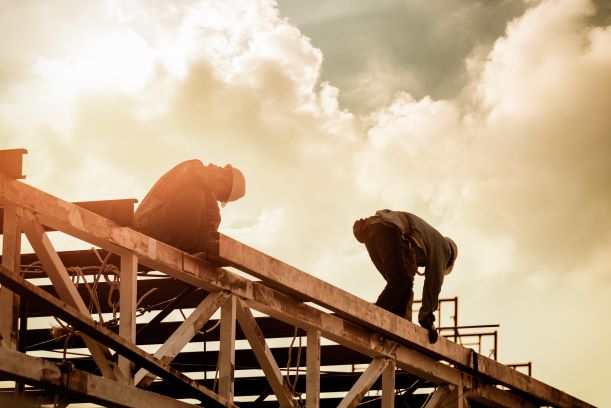

Machining – Involves removing material from a workpiece to achieve precise shapes and tolerances. Fabricators use lathes, milling machines, and drills to refine and create detailed metal components.
Assembly – After individual parts are crafted, they are assembled into final products or larger structures. Assembly may involve additional processes such as bolting, riveting, and welding to ensure that all components fit and function properly.
Finishing and Surface Treatment – Fabrication services often include finishing processes like grinding, sanding, powder coating, and painting to enhance durability, prevent corrosion, and improve appearance. Surface treatments like galvanizing and anodizing provide additional protection for outdoor and high-wear applications.
Quality Control and Testing – Ensuring each fabricated part or structure meets industry standards and client specifications is vital. Quality control measures include dimensional inspections, weld integrity tests, and stress tests to verify that each item can withstand its intended use.
General fabrication services are invaluable for creating everything from small, precise components to large-scale structures, offering flexible, tailored solutions that bring a client's design vision to life. The expertise, precision, and versatility of fabrication specialists enable a wide range of industries to access durable, high-quality components for their most demanding projects.
To ensure reliability and safety, quality checks are carried out throughout the fabrication process. Inspections, measurements, and tests verify that each part meets required standards and tolerances.

Material Preparation – Before any fabrication work begins, materials are selected and prepared according to the project’s needs. Raw materials such as metal sheets, tubes, and plates are measured and often require cutting to exact dimensions.
Cutting and Shaping – Techniques like laser cutting, water jet cutting, and plasma cutting allow for accurate shaping of materials. For thicker materials, saws and other cutting tools may be used to achieve desired dimensions and shapes.
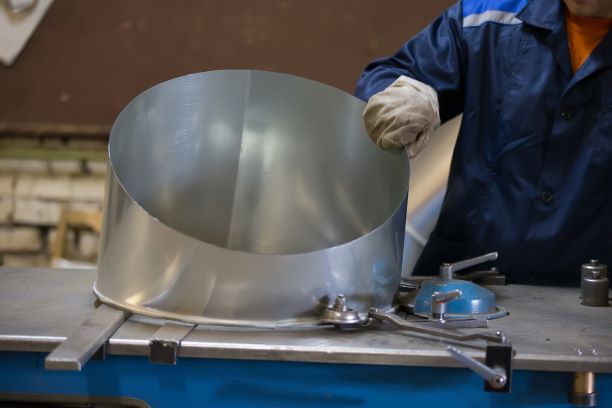
Forming and Bending – Once materials are cut, they are shaped through bending and forming processes using machines like press brakes and rollers. These techniques are essential for creating complex shapes, curves, and angles in a variety of components.
Welding and Joining – A crucial part of fabrication, welding joins multiple pieces together to create a strong and cohesive structure. Various welding methods (e.g., MIG, TIG, and arc welding) are chosen depending on material type and project specifications.
Machining – This step involves precise material removal to create detailed and intricate parts. Machining processes include milling, drilling, and turning, allowing fabricators to achieve exact dimensions and finishes.