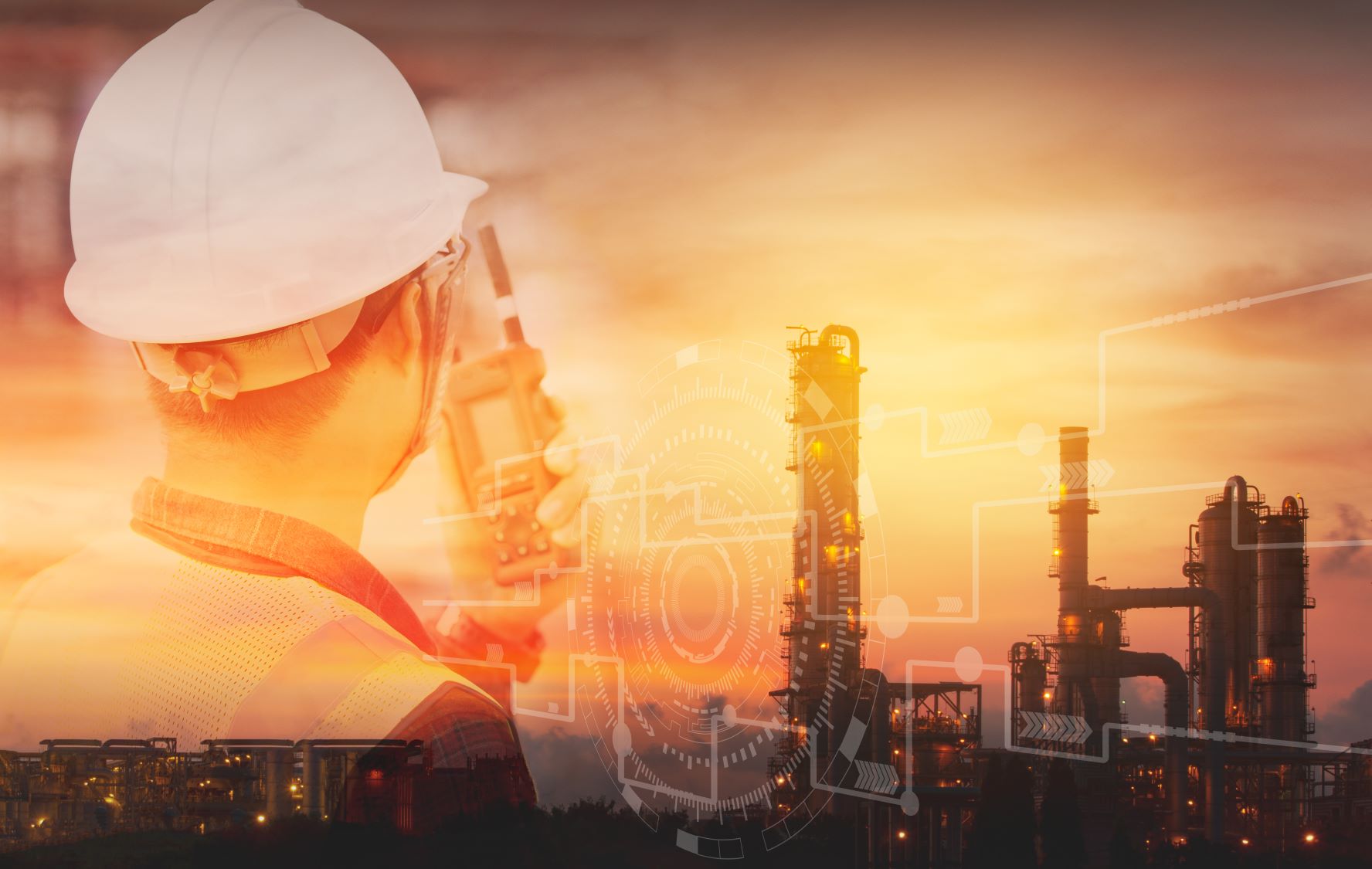
Oil and Petrochemical Fabrication refers to the specialized process of designing, manufacturing, and assembling equipment, structures, and systems used in the oil and petrochemical industries. This fabrication work involves the production of essential components such as piping, pressure vessels, tanks, reactors, and other industrial systems required for the exploration, extraction, processing, and distribution of oil and petrochemical products.
In the oil and petrochemical sectors, fabrication is critical to ensuring the safety, efficiency, and longevity of the equipment and infrastructure. These industries rely on highly durable and corrosion-resistant materials due to the harsh conditions encountered in offshore drilling, refineries, petrochemical plants, and gas processing facilities. The fabrication process incorporates advanced welding, welding inspection, and material handling techniques to ensure that the structures can withstand extreme temperatures, high pressures, and exposure to corrosive substances


Piping Fabrication: Fabricating complex piping systems used for transporting raw materials, gases, liquids, and chemicals in refineries, chemical plants, and offshore rigs. This includes the fabrication of custom pipes, fittings, valves, and flanges that must meet stringent codes and standards.
Pressure Vessels: Designing and manufacturing pressure vessels, tanks, and containers that hold or process substances under high pressure. These are used in storage and processing units for gases, chemicals, and other petrochemical products.
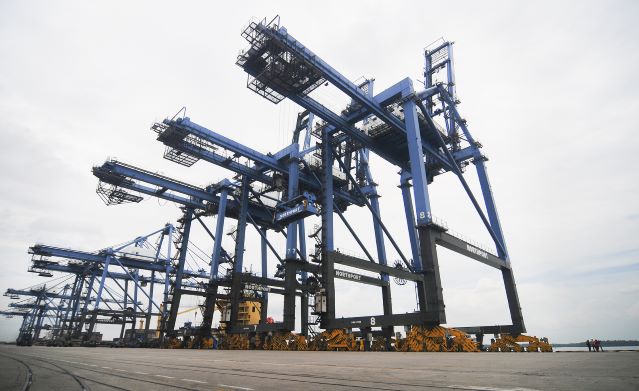
Structural Steel Fabrication: Fabricating steel frameworks for offshore rigs, refinery platforms, and chemical processing plants. This includes beams, supports, and columns that provide the necessary structural integrity for large-scale operations.
Heat Exchangers and Reactors: Fabricating heat exchangers, reactors, and other specialized equipment used in refining processes. These are vital for controlling temperature and pressure during chemical reactions and for transferring heat within various systems.
Welding and Assembly: Using advanced welding techniques like TIG (Tungsten Inert Gas) and MIG (Metal Inert Gas) welding to ensure the integrity of welded joints, which are critical in preventing leaks and failures in high-pressure environments.
Materials Selection and Corrosion Resistance: Using materials that are specifically selected to resist corrosion and wear in petrochemical environments. Stainless steel, carbon steel, and alloys are commonly used to ensure the longevity and reliability of fabricated components.
Customization and Compliance: Custom fabrication is often required to meet the specific needs of the oil and petrochemical industry. All fabricated components must meet stringent local and international codes and standards such as ASME (American Society of Mechanical Engineers) codes, API (American Petroleum Institute) standards, and other safety regulations.
Safety and Quality Assurance: The oil and petrochemical industries require high standards of safety and quality control to prevent accidents and ensure the reliability of their equipment. Strict inspection and testing procedures are applied throughout the fabrication process, including non-destructive testing (NDT) methods to ensure that all components are free from defects.
Oil and petrochemical fabrication plays an essential role in supporting the infrastructure required to extract, process, and distribute oil and gas, ensuring that these industries operate safely and efficiently in demanding environments.