Metal Fabricators are skilled professionals or companies that specialize in the process of shaping, cutting, welding, and assembling metal components to create finished products, structures, or equipment. Metal fabrication involves a range of techniques and tools to manipulate raw metal into functional items for various industries, including construction, manufacturing, automotive, aerospace, oil and gas, and many more.
Cutting: Metal fabricators use a variety of cutting methods, such as shearing, laser cutting, plasma cutting, and water jet cutting, to shape metal into the required sizes and forms. Precision cutting is critical to ensuring that the metal parts fit together properly during assembly.
Bending and Forming: Metal fabrication often involves bending and shaping metal into specific angles or curves using tools such as press brakes, rollers, and other forming machinery. This process is used to create components such as brackets, panels, or enclosures
- Welding: Welding is a fundamental process in metal fabrication, where two or more metal pieces are joined together using heat and pressure. Techniques such as MIG (Metal Inert Gas) welding, TIG (Tungsten Inert Gas) welding, and stick welding are commonly employed to create strong, durable joints between metal components.
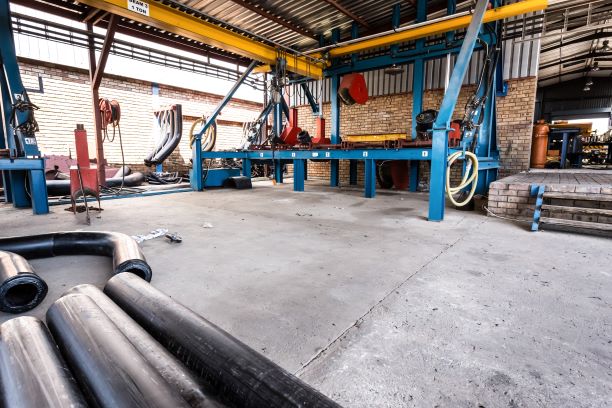
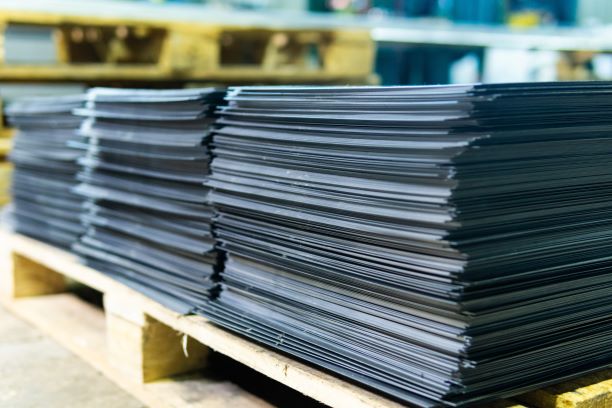
Machining: Some metal fabrication processes involve machining, which includes milling, drilling, and turning operations. This is done to add precise dimensions, holes, or finishes to metal parts.
Assembly: Once individual metal components are fabricated, they need to be assembled into a final product. This could involve bolting, riveting, or welding the parts together. In complex assemblies, such as those found in machinery or structural frameworks, fabrication teams ensure that all components fit together precisely.
Finishing: After fabrication, metal parts often require finishing processes such as grinding, polishing, and coating (e.g., painting or galvanizing). These processes improve the appearance, surface smoothness, and corrosion resistance of the metal product.
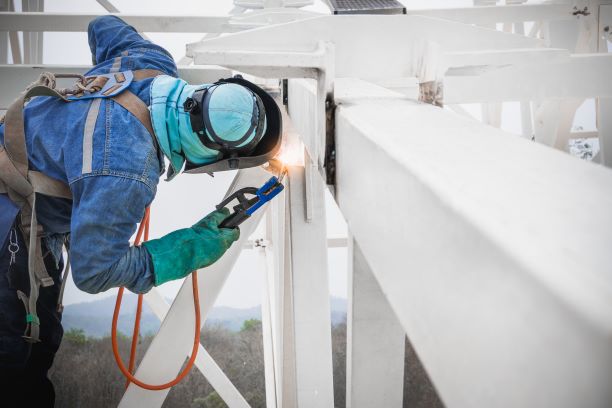
Custom Metal Fabrication: Many metal fabricators provide custom fabrication services, creating unique metal products based on the specifications of their clients. This can include custom machinery parts, structural steel components, or decorative metalwork.
Industries Served: Metal fabricators serve a diverse range of industries, including:
- Construction: Fabricating structural steel beams, columns, and frameworks for buildings, bridges, and infrastructure.
- Automotive: Creating parts for vehicles, including frames, exhaust systems, and body panels.
- Aerospace: Fabricating components for airplanes, such as wing structures, fuselage parts, and engine components.
- Manufacturing: Producing custom machinery parts, tools, and equipment for various industrial applications.
- Energy: Fabricating components for oil rigs, power plants, and renewable energy system