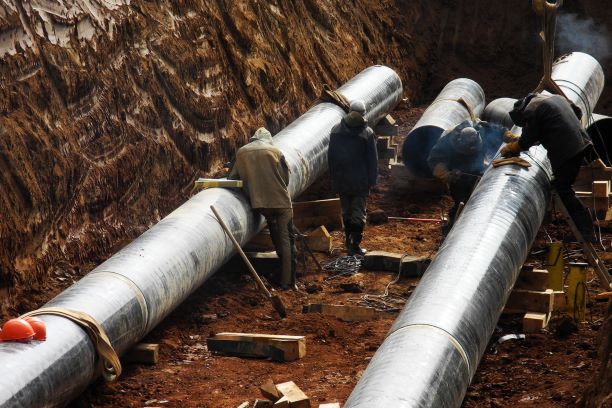

Welding in Pipe Fabrication is a specialized process central to building durable, high-performance piping systems used across various industries, including oil and gas, power generation, petrochemical, and construction. Pipe fabricators use multiple welding techniques—such as TIG (Tungsten Inert Gas), MIG (Metal Inert Gas), and Stick welding—to join pipes of different materials, such as carbon steel, stainless steel, and exotic alloys. Each technique is selected based on the specific material properties and the conditions the piping system must endure, such as high pressure, temperature extremes, and corrosion resistance.
Industrial Fabrication Welding involves the creation and assembly of metal structures and components that serve a variety of heavy industries, including construction, energy, automotive, shipbuilding, and manufacturing. This type of welding focuses on fabricating custom metal parts, large-scale structures, and machinery, utilizing various metals such as steel, aluminum, and specialty alloys designed to withstand rigorous industrial conditions.
Welding in industrial fabrication requires specialized techniques—such as MIG (Metal Inert Gas), TIG (Tungsten Inert Gas), and arc welding—that are chosen based on the materials involved and the specific performance requirements of the end product. Fabricators often rely on precise welding methods to ensure durability and strength, particularly in applications where metal components face high stress, pressure, or temperature variations.


An industrial general fabricator is a skilled professional or company involved in the process of creating custom metal components and structures used across various industries. General fabrication includes a wide range of services, from cutting, bending, welding, and assembling materials to producing complex structures or parts for use in machinery, infrastructure, and other industrial applications.
General fabricators work with a variety of metals such as steel, aluminum, stainless steel, and copper, using specialized tools and equipment to shape, join, and finish metal components. These fabricators are involved in many industries, including construction, manufacturing, automotive, aerospace, energy, and shipbuilding. Their work is crucial in creating everything from basic metal parts to large-scale industrial machines, tanks, and pressure vessels.